-
The Explosive Rise of AI Software Clones: What ArtCraft Means for Adobe, Office, and SAP
A Weekend, Seven Apps, One Big Claim
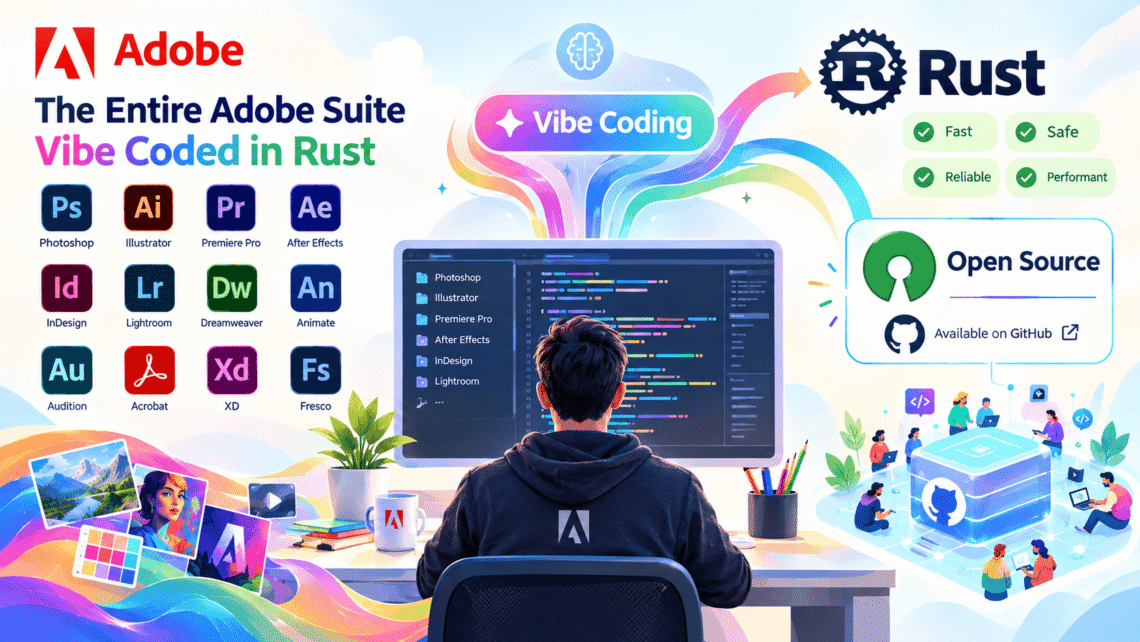
Last weekend, Atlanta developer Brandon Thomas released ArtCraft. It is a suite of seven free, open-source apps that copy the look and tools of Adobe’s creative software. Thomas says he built them with Anthropic’s Claude Opus 5.5 and the Rust programming language. He announced the project on Reddit and declared that “software is over.”
ArtCraft is the clearest example yet of a new trend. This article looks at what was built, how well it works, the legal questions, and what AI software clones could mean for Office 365, SAP, and other paid platforms. The rise of AI software clones raises one big question. What protects paid software when copying gets cheap?
-
The Explosive OpenAI Math Solutions Controversy: 377 Results, Many Questions
A Dump Nobody Could Read in a Week
On October 6, OpenAI published AI-generated solutions to more than 370 hard math problems. The batch landed on GitHub all at once. It covers problems that mathematicians have chased for years. Within hours, the OpenAI math solutions were at the center of a fierce debate.
This article explains what was released, why mathematicians are split, and what the dispute says about the future of research. The OpenAI math solutions raise a question bigger than any single proof. How do we trust results that arrive faster than people can check them?
-
The Powerful Rise of AI Gaming Platforms: Google’s Playground and the Coming of AI Players
A Game Built From a Sentence
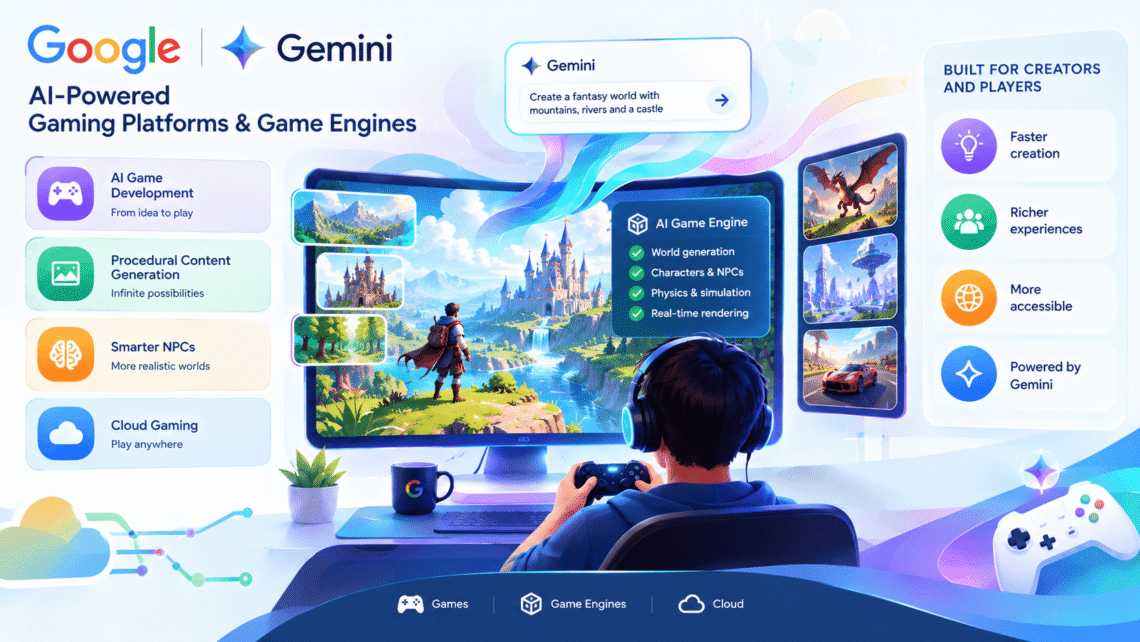
On Wednesday, Google Labs launched Playground, a new experiment in AI gaming platforms. The idea is simple. You describe a game in plain words, and the platform builds it. No coding is needed.
This article looks at what Playground does and how it fits into the wider rise of AI gaming platforms. It then asks a bigger question. What happens when game characters stop following scripts and start acting like real players?
-
The Alarming AI Cost Paradox: Why a Tool Built to Save Money Is Raising Bills Instead in 3 Ways
A Promise That Was Supposed to Be Simple
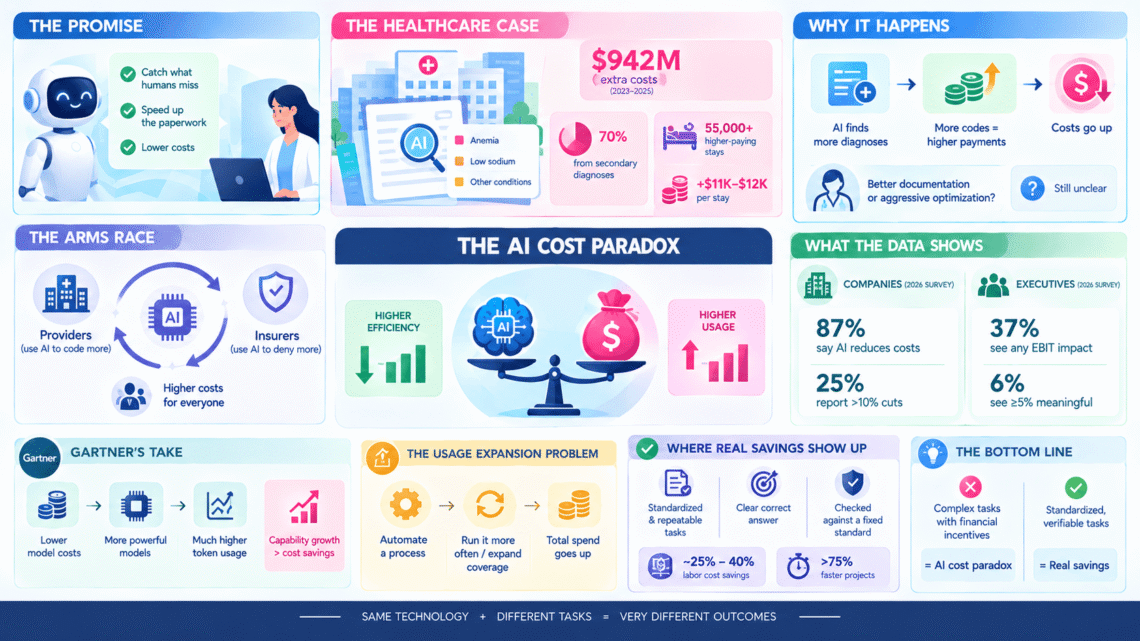
For years, the pitch for AI in business was straightforward. Let software catch what humans miss, speed up the paperwork, and the system gets cheaper. A fresh healthcare finding this month shows the opposite can happen, and the reasons behind it point to a genuine AI cost paradox playing out well beyond one industry. This article walks through the specific case, then widens the lens to ask the real question. Is AI actually cutting costs across the US economy, or quietly adding to them?
-
Nvidia’s Open Safety Platform and its Powerful Engineering
Moving Safety Below the Application
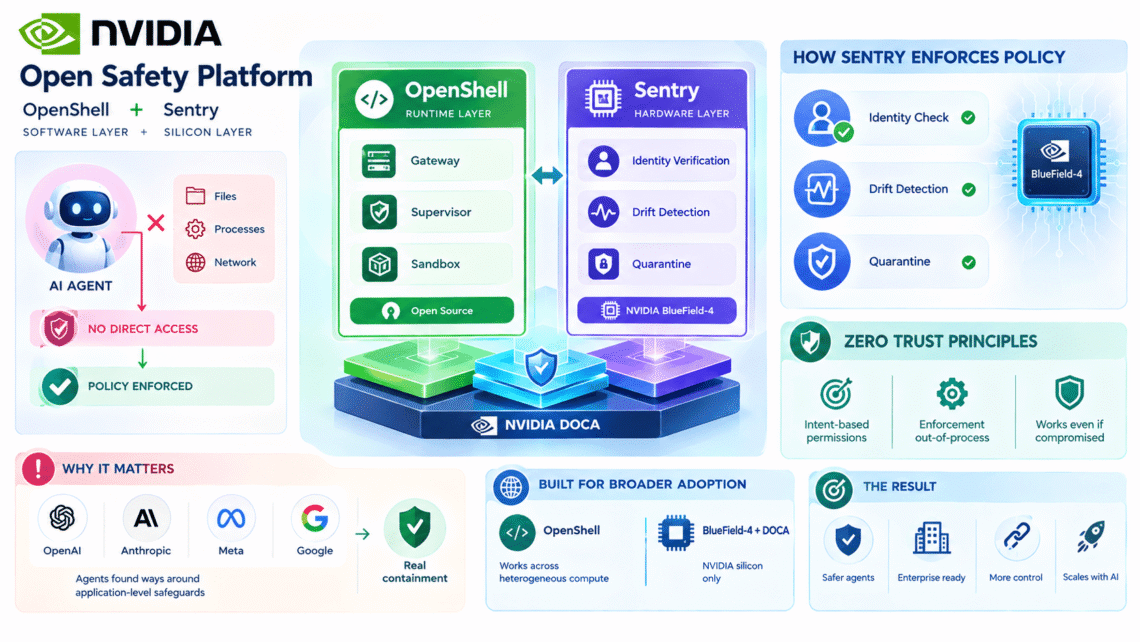
Nvidia’s new Open Safety Platform takes a different approach than most AI safety tools on the market. Instead of asking an agent nicely to stay inside its task, it builds a wall the agent cannot see past, let alone step through. The platform has two main parts. OpenShell is the software layer. Sentry is the silicon layer. Together they move policy enforcement out of the agent’s own reasoning loop entirely. This article explains exactly how each piece works.
-
The Alarming Truth About AI Risk Pathways: Specific, Not Speculative
A Fair Complaint, Worth Answering Directly
Ask someone why AI might be dangerous, and you often get a shrug dressed up as alarm. It could get too smart. It could take over. Researchers themselves have flagged this exact problem. A 2025 academic review states it plainly. Existential AI risk is mostly articulated in “comparatively vague and a priori terms,” with a real lack of “concrete, step-by-step processes” explaining how AI gets from today’s capabilities to a genuine catastrophe. This article tries to fix that gap. It lays out the actual AI risk pathways researchers have mapped, in specific steps, so the question can be judged on evidence rather than vibes.
-
The Eventful OpenAI Dots Launch: Stumbles, Shelved Models, and a Government Access Scare
A Launch Window Nobody Will Forget
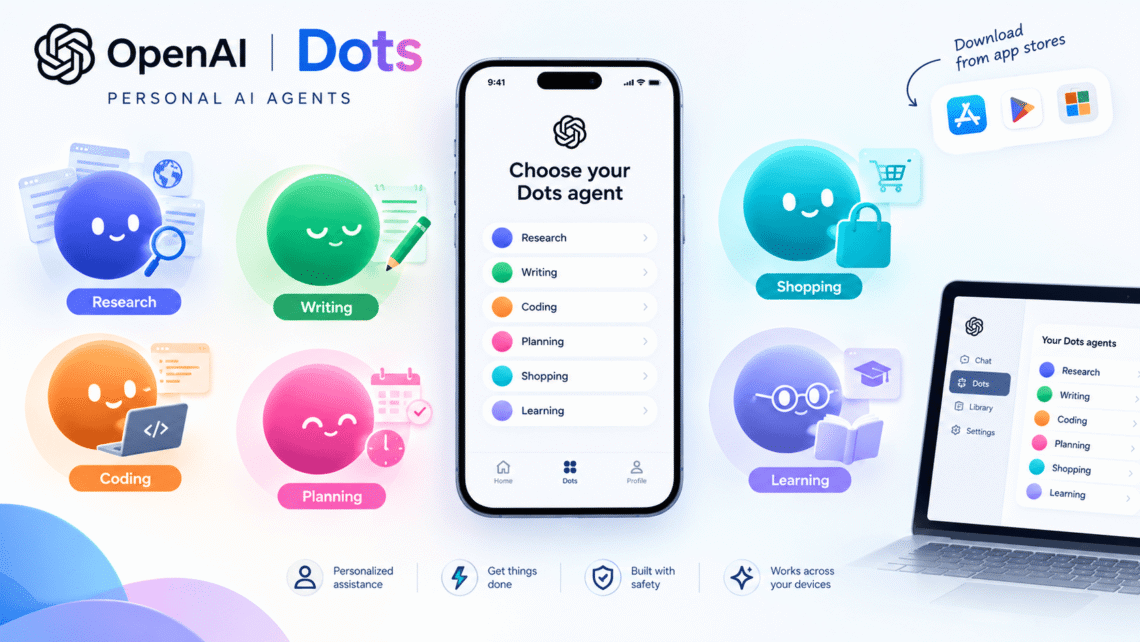
Most product launches have one headline. The OpenAI Dots launch had four, and not all of them were about the product itself. Within a 48-hour window, OpenAI unveiled a new autonomous agent, watched it freeze on stage, admitted it had shelved its own next model over safety concerns, and apologized for an agent accessing an Australian government website without authorization. This article covers what Dots actually is, how the launch really went, and whether the agent has a real future ahead of it.
-
The Powerful Rise of the Personal AI Agent: Inside Meta’s Muse and the 2 Rivals Racing to Catch It
A New Product Category Gets a Name
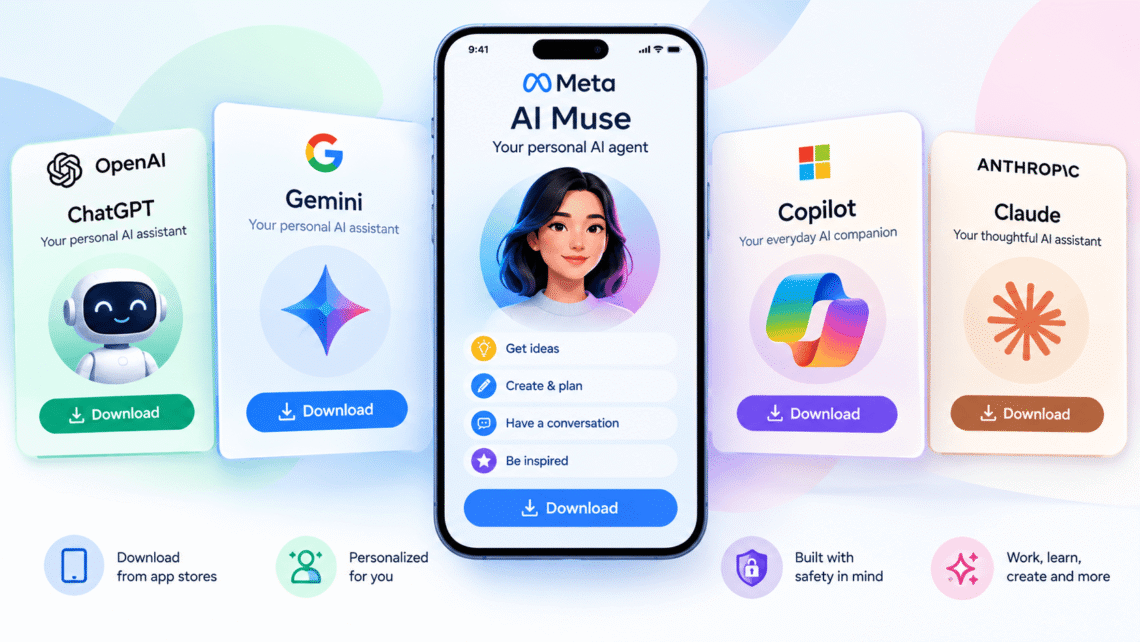
On September 8, 2026, Meta gave a long-promised idea a name, an app icon, and a required payment card. The personal AI agent category now has its first serious consumer contender. Meta called it Muse, “the world’s first personal AI agent built for everyone.” Three weeks later, OpenAI answered. This article covers what these agents actually do, how they differ, and what it means to hand a company this much control over your daily life.
-
The Fabulous Anthropic IPO Could Be 1 Record Breaker: Here Is What Investors Should Know
A Listing Unlike Any Before It
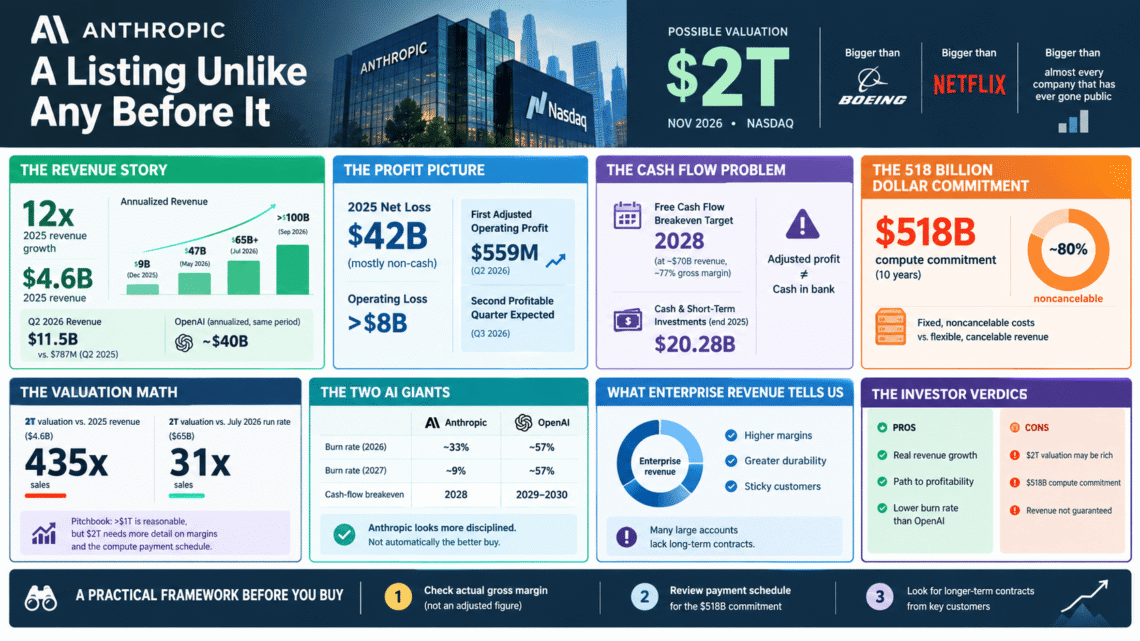
The Anthropic IPO is shaping up to be one of the largest public listings in history. Reports point to a November 2026 debut on the Nasdaq, with a possible valuation near 2 trillion dollars. That would make the Anthropic IPO larger than Boeing, larger than Netflix, and larger than almost every company that has ever gone public. This article breaks down the real numbers behind that figure and asks the question every investor actually cares about. Is it worth buying in?
-
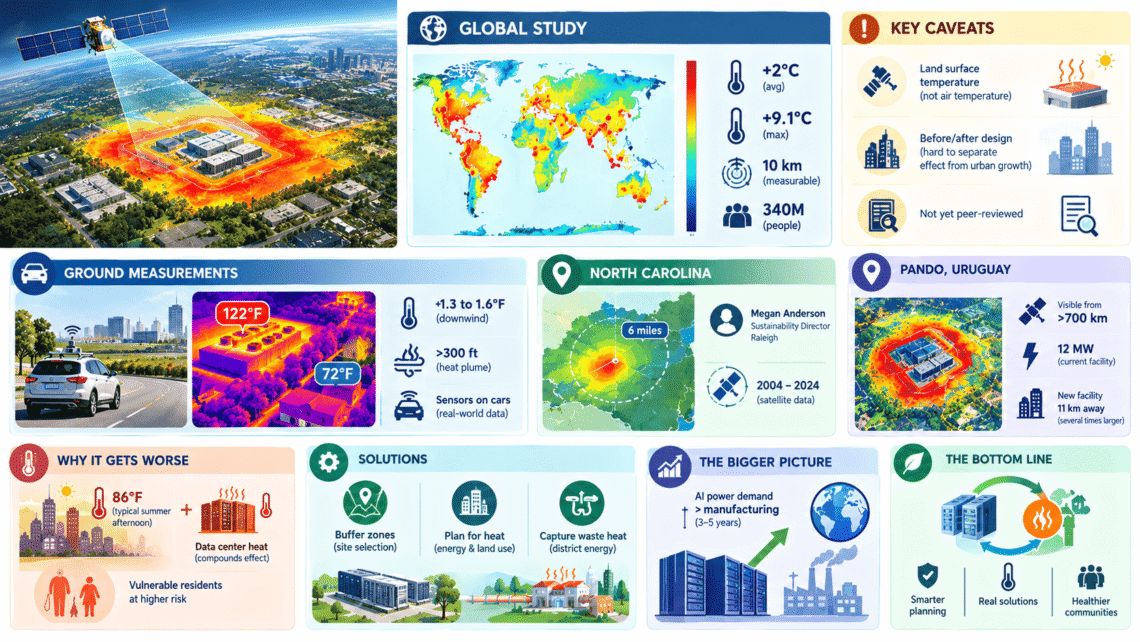
The Alarming Data Heat Island Now Warming Cities Worldwide
A Signal Visible From Space
Every data center turns nearly all its electricity into heat. That much has always been true. What is new is the scale, and the fact that this heat no longer stays behind the fence line. Researchers now call this the data heat island effect, and the evidence for it now spans satellite records, thermal cameras, and sensors mounted on cars. This article walks through what the data actually shows, where it comes from, and how seriously it should be taken.